



Mark Zuckerberg: Meta and the Power of Platforms
The career, products, achievements and controversies of Mark Zuckerberg, co-founder of Facebook and chief executive of Meta Platforms.
- Mark Zuckerberg
- Meta
- social media
- technology platforms
- artificial intelligence
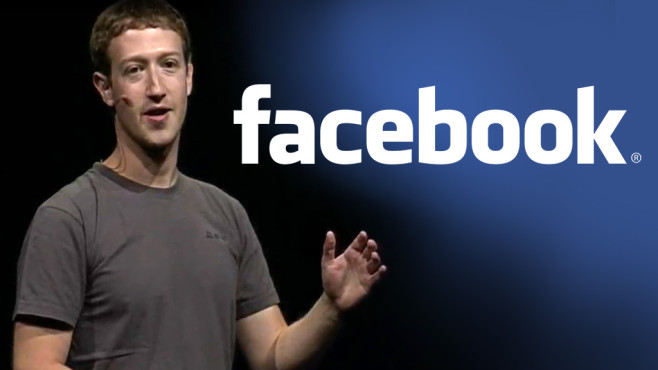
Mark Elliot Zuckerberg was born in White Plains, New York, on 14 May 1984. He co-founded Facebook while studying at Harvard and remains chief executive of its parent company, Meta Platforms. His career illustrates both the extraordinary reach of digital products and the concentration of power created when private platforms mediate public life.
Early programming
Zuckerberg developed software while young, including messaging and music-related projects. At Harvard he studied psychology and computer science. In February 2004 he launched TheFacebook with fellow students Eduardo Saverin, Dustin Moskovitz, Andrew McCollum and Chris Hughes.
From campus network to global infrastructure
Facebook expanded from universities to the general public. Profiles, the News Feed and later mobile applications turned a directory into a continuous system for identity, publishing and social connection. Advertising based on user data financed expansion without charging most users directly.
Growth was not neutral. Product choices influenced which stories travelled, how people presented themselves and which organisations could reach audiences.
The platform business model
A platform connects users, creators, advertisers and developers while setting the rules among them. Network effects make a service more valuable as participation grows, but they also make competition and departure difficult.
Zuckerberg’s control through Meta’s voting structure allows long-term decisions with limited shareholder challenge. That stability can support investment, while also intensifying questions about accountability.
Acquisitions and Meta
Facebook acquired Instagram in 2012 and WhatsApp in 2014, adding major visual and messaging networks. It also acquired Oculus and invested heavily in virtual and augmented reality. In 2021 the parent company adopted the Meta name to signal an ambition beyond one social network.
Privacy and Cambridge Analytica
The Cambridge Analytica scandal revealed how data obtained through a Facebook application had been used for political profiling without adequate consent. The episode brought investigations, testimony and regulatory penalties. It exposed the gap between platform scale and safeguards developed during rapid growth.
Moderation and social effects
Meta must address harassment, misinformation, political manipulation and harmful content across languages and countries. Automated systems operate at scale but make errors; human review brings context but cannot examine everything. Decisions about removal, recommendation and ranking are forms of governance even when made by a company.
Artificial intelligence and devices
Meta has invested in recommendation systems, generative artificial intelligence, open model development and wearable devices. These projects connect software to cameras, assistants and immersive environments, expanding both creative possibilities and concerns about data and surveillance.
Video: the future Zuckerberg is trying to build
This English interview by Cleo Abram examines Meta’s technical ambitions through direct questions and demonstrations. It is useful as a presentation of Zuckerberg’s current vision, not as an independent verdict on its consequences.
Video: building products at scale
This English conversation hosted by Stripe focuses on product development and organisational scale. Listening critically means comparing the founder’s account with the public effects and controversies described above.
Achievements and an unfinished legacy
Zuckerberg helped build one of history’s largest communication systems, led acquisitions that reshaped social media and sustained long-term investment in new computing platforms. The same achievements produced unprecedented responsibility for privacy, competition, public discourse and safety.
His legacy remains unfinished. It will depend not only on technical invention or company value, but on whether systems affecting billions of people become more accountable to those who live with their consequences.