Lucha Reyes: The Unforgettable Voice of Peruvian Criollo Music
The life, songs and legacy of Lucha Reyes, the Golden Black Woman of Peru whose powerful voice transformed hardship into criollo musical expression.
- Lucha Reyes
- Afro-Peruvian singer
- Peruvian criollo music
- Polo Campos
- Peruvian music
- vals criollo
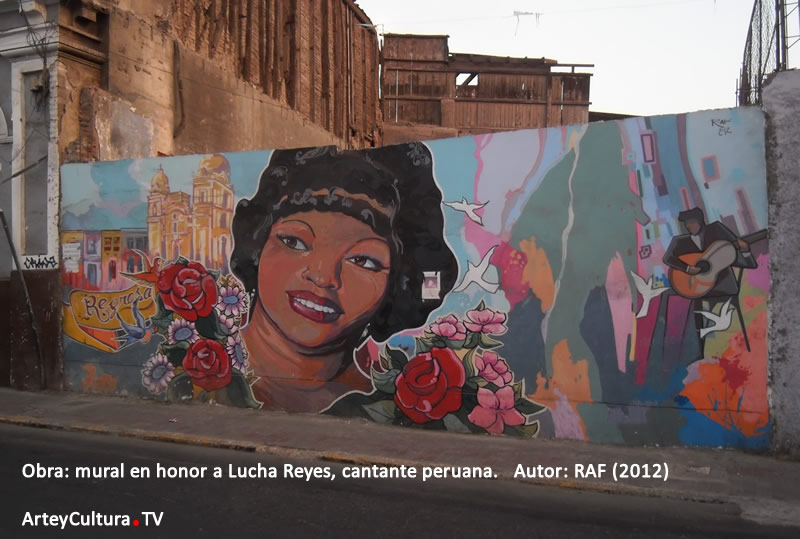
Lucila Justina Sarcines Reyes, known as Lucha Reyes, was born in Lima on 19 July 1936 and died there on 31 October 1973. Called La Morena de Oro del Perú—the Golden Black Woman of Peru—she gave criollo song an unmistakable dramatic intensity. A short recording career was enough to make her voice part of the country’s emotional memory.
Barrios Altos and a difficult childhood
Reyes grew up in Barrios Altos amid poverty, family instability and racism. She worked from a young age and spent time in institutions. These experiences should not be turned into a romantic explanation for talent, but they help locate the urgency with which she later interpreted abandonment, pride and survival.
First stages
She sang in neighbourhood settings and entered amateur competitions before joining the group Peña Ferrando. Stage experience developed timing, humour and contact with audiences. Health problems periodically interrupted work, but she continued seeking a professional place in criollo music.
A voice unlike any other
Reyes possessed a dark timbre, forceful diction and exceptional control of spoken-like phrasing. She did not simply sing a melody; she made every line sound experienced in the present. Pauses, roughness and sudden expansion carried as much meaning as pitch.
“Regresa” and recognition
Augusto Polo Campos’s “Regresa” became one of her defining recordings. The plea for return is shaped by dignity as well as pain. Its success established Reyes nationally and demonstrated that criollo music could sustain intensely personal interpretation.
Repertoire and recordings
Her albums brought together valses and other criollo forms by important composers. Songs including “Mi última canción,” “Una carta al cielo” and “Propiedad privada” became associated with her particular balance of vulnerability and command.
Health and farewell
Diabetes and cardiovascular illness seriously affected her final years. She continued performing and died on 31 October 1973, now celebrated as Peru’s Day of Criollo Song. The coincidence gave her death symbolic weight, but her legacy rests in recordings rather than myth alone.
Video: an English introduction
This English-language profile introduces Reyes as an Afro-Peruvian artist and places her voice within Black Latin American history. It offers international listeners a direct point of entry into a career rarely covered in English.
Video: Letter to Heaven
This Spanish documentary preserves music, biography and testimony unavailable in English. It remains a justified primary-source exception; images and performances allow the artist to be encountered beyond summary.
Achievements and legacy
Reyes brought an Afro-Peruvian woman’s voice to the centre of national popular culture, renewed criollo interpretation through dramatic phrasing and created recordings that remain active across generations.
Her legacy is not only a story of suffering. It is one of artistic authority: she transformed a written song into a personal truth without losing its collective character.