Roberto Carlos: Songs, Romance and Endurance
The life, songs and legacy of Roberto Carlos, the Brazilian star who moved from Jovem Guarda rock to a vast romantic repertoire in Portuguese and Spanish.
- Roberto Carlos
- Brazilian music
- Jovem Guarda
- Erasmo Carlos
- Detalhes
- Latin popular music
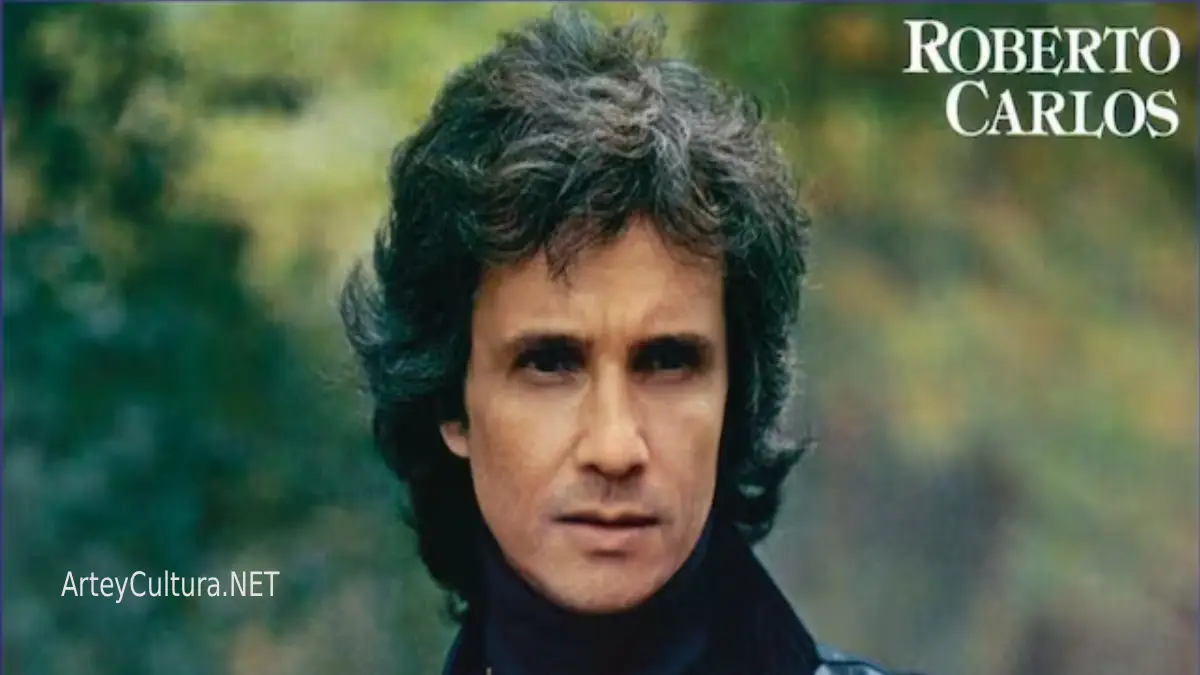
Roberto Carlos Braga was born in Cachoeiro de Itapemirim, Brazil, on 19 April 1941. Singer and songwriter, he moved from youthful rock to romantic ballad and created a repertoire shared by generations in Portuguese and Spanish. His contained phrasing and direct melodies made him a central figure in Latin American popular music.
Childhood and music
Roberto Carlos grew up in a modest family, learned piano and guitar and sang on local radio. A railway accident in childhood led to the amputation of part of his right leg, an experience he faced without allowing it to define his entire public identity.
As a teenager he moved to Rio de Janeiro and pursued opportunities in clubs, radio and recording. American rock and roll was influential, but he adapted it to Portuguese and Brazilian urban experience.
Early rock recordings
Initial recordings moved through bolero, samba-canção and rock before success arrived. Songs such as Splish Splash, Parei na contramão and O calhambeque established a youthful image of cars, dance and light rebellion.
Jovem Guarda
In 1965 the television programme Jovem Guarda, presented by Roberto Carlos, Erasmo Carlos and Wanderléa, gave its name to a movement in music, fashion and youth language. Television made the songs part of everyday culture and established Roberto as the movement’s leading figure.
Partnership with Erasmo Carlos
His long songwriting partnership with Erasmo Carlos became one of Brazil’s most important. Together they moved beyond youth themes towards romance, spirituality, ecology and social concern. Collaboration provided continuity while allowing musical change.
From youth idol to romantic interpreter
Roberto’s voice matured into an intimate conversational instrument. Rather than depend on vocal display, he controls timing and emphasis. Annual television specials and regular albums created an exceptional relationship with the Brazilian public.
He also recorded extensively in Spanish. These versions made songs familiar throughout Latin America while preserving melodic identity.
“Detalhes”: memory in a song
“Detalhes” is built from the idea that small reminders keep a past relationship present. Objects, habits and phrases become emotional evidence. Accumulation replaces dramatic confrontation, which is why the song can feel personal to listeners with very different histories.
Video: “Detalhes” live
This official Portuguese performance is retained as the artwork itself, not as explanatory narration. No English version can substitute for Roberto’s phrasing or the sound relationship between words and melody; this English commentary gives non-Portuguese readers its central theme.
Video: a song of maturity
The official Portuguese lyric video for “Esse Cara Sou Eu” shows the continuing directness of his mature romantic writing. It is a second justified original-language exception: translated commentary can explain meaning, but the song’s artistic identity remains in its own language.
Achievements and legacy
Roberto Carlos led Jovem Guarda, formed an influential partnership with Erasmo, won the 1968 Sanremo Festival with “Canzone per te,” and sustained successful careers in Portuguese and Spanish.
His legacy is an emotional bond built over decades. Styles changed, while his songs remained attached to celebrations, separations and private memories. From youthful rock to mature ballads, he made popular song feel like a direct conversation.